Solar Installation in Quetta: A Cold-Climate Success Guide for 2026
Quetta is different from every other solar market in Pakistan. Sitting at over 1,600 metres, the city delivers intense high-altitude sunshine by day and freezing nights in winter. Those conditions can make rooftop solar exceptionally productive, but only when the system is engineered for them. A generic design built for Karachi will underperform here. Getting solar installation in Quetta right means respecting the altitude, the cold, and the snow.
This 2026 guide explains why Quetta’s climate is a solar advantage, how to design for cold and snow, what it costs, and how to choose an installer who understands the region.
Why Quetta’s Climate Boosts Solar Output
Cold weather is good for solar. Photovoltaic panels actually generate more efficiently at lower temperatures, so Quetta’s crisp winters can push output above the summer baseline on clear days. Combined with high-altitude air that scatters less sunlight, the city enjoys some of the strongest solar irradiance in the country.
Quetta averages a high number of clear-sky days annually, and its elevation means less atmospheric absorption of sunlight. The practical result is a rooftop array that can outproduce an identical system installed in a hazier, hotter plains city.
The altitude advantage
At Quetta’s elevation, the thinner atmosphere lets more direct radiation reach your panels. That extra intensity, paired with cool ambient temperatures, is close to ideal operating conditions for silicon modules.
How Do You Design Solar Installation in Quetta for Snow and Cold?
The same cold that boosts efficiency also brings snow loads and freezing risk. A durable Quetta system needs three deliberate design choices.
- Steeper tilt angles: A sharper mounting angle helps snow slide off and captures the low winter sun more directly.
- Reinforced mounting: Structures must be rated for snow load and Quetta’s strong seasonal winds.
- Cold-tolerant components: Inverters and cabling should be specified for sub-zero operating ranges.
Snow that accumulates on flat-mounted panels blocks generation entirely, so tilt is not cosmetic here. It is central to keeping the system productive through December and January.
Battery care in freezing temperatures
If you add storage for backup during outages, remember that battery chemistry is sensitive to cold. Lithium batteries should be installed in an insulated, sheltered space to preserve capacity and lifespan through Quetta winters.
What Does Solar Cost in Quetta in 2026?
Quetta pricing sits close to national averages, with a small premium for reinforced snow-rated mounting. The table below gives indicative 2026 ranges for on-grid residential systems.
| System Size | Winter Daily Units (clear) | Best For | Indicative Cost (PKR) |
|---|---|---|---|
| 5 kW | 20–26 | Compact home | 950,000–1,200,000 |
| 10 kW | 42–54 | Family home with heating loads | 1,800,000–2,200,000 |
| 15 kW | 64–80 | Large home / shop | 2,600,000–3,200,000 |
The slightly higher structure cost pays for itself by surviving snow and wind that would damage flimsy mounting. Never cut corners on the frame in a cold-climate install.
Payback in a high-yield city
Because Quetta’s clear skies drive strong generation, payback often lands in the three-to-five-year range, and heavy winter heating bills mean the savings feel immediate. National solar potential data compiled by the International Renewable Energy Agency (IRENA) underlines how favourable Pakistan’s irradiance is for exactly this kind of investment.
Choosing the Right Installer for Quetta Conditions
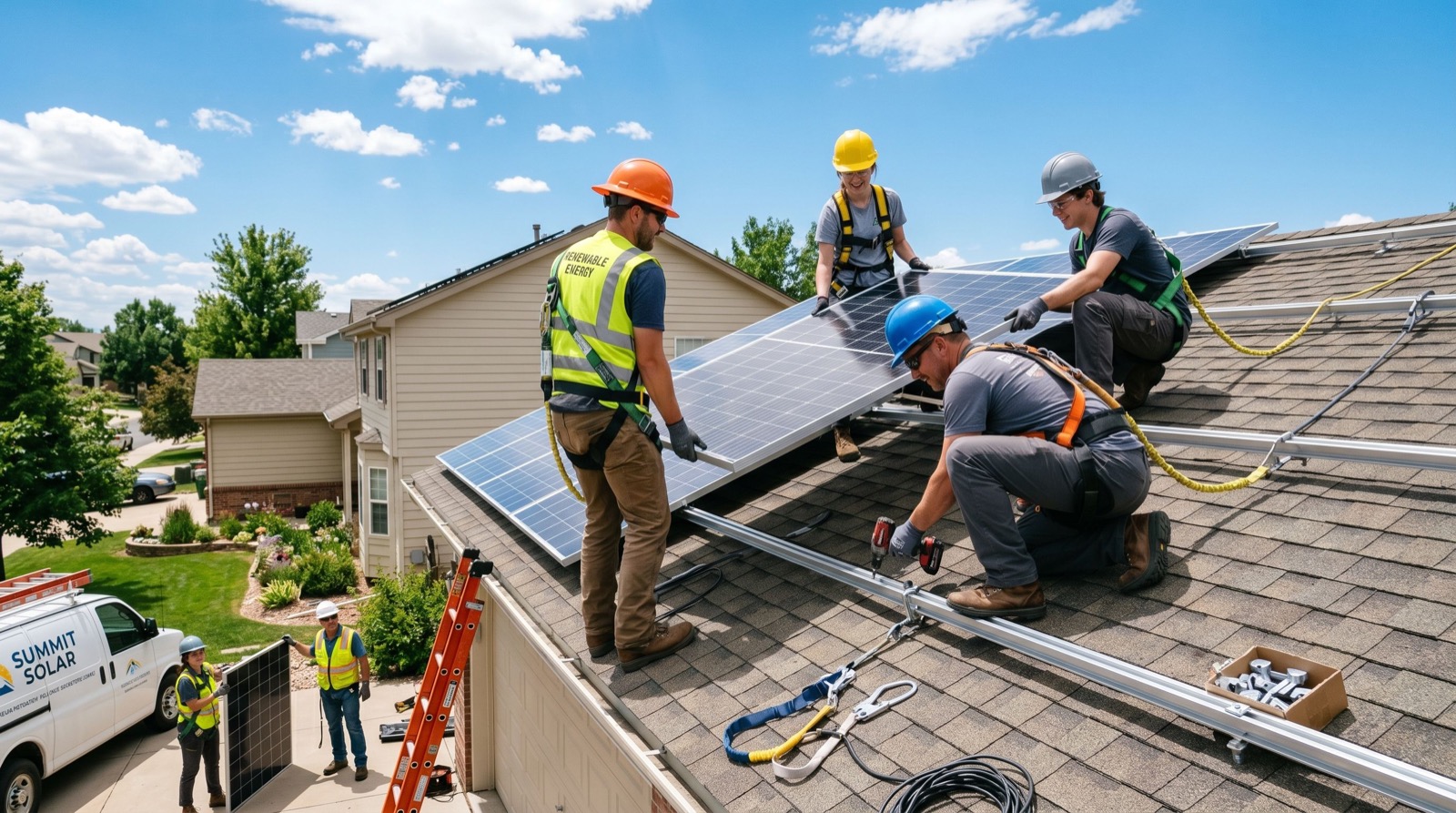
Region-specific experience is everything here. An installer who has only worked in warm coastal cities may fit panels flat and use standard mounting, leaving your system buried in snow every winter.
- Ask to see local Quetta installations that have survived at least one winter.
- Confirm the mounting is snow-load and wind-rated for your roof.
- Check that the inverter’s temperature range covers Quetta’s cold nights.
- Ensure the quote includes proper earthing and surge protection.
Homeowners who prioritise long-term durability tend to hire quality service providers with a documented track record rather than the cheapest bidder. For end-to-end design, permitting, and net metering, many turn to the Best Solar Company for a system built around Quetta’s unique demands.
An original tip: clear the snow safely
Never scrape frozen panels with metal tools, which scratches the glass and voids warranties. Instead, use a soft foam roof rake or simply let the steep tilt and morning sun shed the snow naturally within a few hours of a clear dawn.
Net Metering and Grid Support
Net metering works the same in Quetta as elsewhere in Pakistan: your bi-directional meter exports surplus daytime power and credits it against night-time use. Given the strong daytime generation, many Quetta homes bank meaningful surplus in clear-weather months.
Size your system to your annual consumption so summer surplus offsets any short winter fog days. A hybrid inverter also lets you add batteries for outage protection, which is valuable in a city where cold snaps and grid interruptions can coincide.
Heating loads and winter demand
Quetta households run heavy heating loads in winter, exactly when many other cities scale back. A well-sized solar system helps offset the daytime portion of that demand, easing the sting of peak-season bills. Pair solar generation with efficient electric or inverter-based heating and run those loads during sunny hours to maximise self-consumption.
Remember that heating at night still draws from the grid or batteries, so plan your system around your full daily profile rather than daytime generation alone. An honest installer will model your winter and summer usage separately before recommending a size.
Warranty and durability in harsh weather
Quetta’s freeze-thaw cycles and wind test every component. Confirm that your panels carry a standard 25-year performance warranty and that the mounting hardware is corrosion-resistant. A slightly higher upfront spend on rated components saves you from premature failures that are expensive and inconvenient to fix in a cold-climate installation.
Frequently Asked Questions
Does snow damage solar panels in Quetta?
No. Quality panels are engineered to withstand snow loads, and a steep tilt helps snow slide off quickly. The key is reinforced, snow-rated mounting and a proper installation angle designed for the city’s winters.
Do solar panels work in freezing Quetta winters?
Yes, and often better than in summer. Cold temperatures improve panel efficiency, so on a clear winter day your array can produce strongly. Generation only drops during fog or when snow covers the panels.
How much does solar installation in Quetta cost in 2026?
A 5 kW system typically ranges from around PKR 950,000 to 1,200,000, with a modest premium for snow-rated mounting. Larger 10 kW systems run roughly PKR 1,800,000 to 2,200,000 depending on components.
Should I add batteries in Quetta?
Batteries are worthwhile for outage backup, but install them in an insulated, sheltered location to protect against extreme cold. A hybrid inverter lets you add storage now or later as your budget allows.
Conclusion: Engineer for the Climate, Enjoy the Returns
Solar installation in Quetta rewards homeowners who plan for the altitude and the cold. With steeper tilt, snow-rated mounting, cold-tolerant components, and an installer who knows the region, your system will convert Quetta’s brilliant high-altitude sunshine into decades of savings. Start with a professional site assessment in 2026, insist on a durable design, and let the city’s remarkable clear skies do the rest.