Eco-Friendly Dog Waste Disposal: A Responsible Owner’s Guide
Picking up after your dog is only half the job. Where that waste goes matters just as much. Practicing eco-friendly dog waste disposal keeps parasites out of local streams, cuts landfill impact, and protects your neighborhood’s soil and water. In 2026, conscientious pet owners are rethinking the toss-it-in-the-trash habit and choosing smarter, cleaner methods.
Why Disposal Method Matters
Dog waste is not compostable in a regular garden pile, and it is definitely not lawn fertilizer. Because dogs eat protein-heavy diets, their waste carries pathogens that survive ordinary composting temperatures and leach into groundwater when left to break down naturally. How you bag and dispose of it decides whether those pathogens stay contained or spread.
The scale is significant too. Uncollected waste is a leading contributor to bacterial contamination in urban waterways. The EPA’s home pollution guidance lists proper pet-waste disposal as a key step in preventing water contamination in residential areas.
Comparing Disposal Methods
Each option has trade-offs in cost, effort, and environmental impact. Choose the one that fits your home and local rules:
| Method | Eco Impact | Effort | Best For |
|---|---|---|---|
| Flushing (no bag) | Low, treated by sewage | Medium | Homes on municipal sewer |
| Dedicated pet-waste digester | Low | High setup | Yards with space |
| Bag and landfill | Moderate | Low | Most households |
| Specialized composting | Low if done right | Very high | Advanced, non-food gardens |
The Bag Question
Most owners will bag and bin, so bag quality is central to responsible disposal. Thin bags rip and leak pathogens into the waste stream and onto your hands. Choosing sturdy, leak-proof heavy Dog duty Bags keeps waste fully contained from pickup all the way to the landfill.
Reducing Waste at the Source
You can shrink your environmental footprint before disposal even starts:
- Feed a quality diet. Better-digested food means less, firmer, easier-to-collect waste.
- Pick up promptly. Fresh waste is cleaner to handle and less likely to spread into soil.
- Use one designated potty area to concentrate and simplify cleanup.
- Choose higher-capacity bags so you need fewer per week and cut down on plastic use.
The Truth About “Biodegradable” Bags
Biodegradable and compostable bags sound greener, but in a sealed landfill few materials break down quickly without oxygen. They help reduce plastic, yet the priority should still be a leak-proof, durable bag first. Pick a bag that contains the waste reliably, then favor greener materials where you can.
Tools That Make Clean Pickup Easier
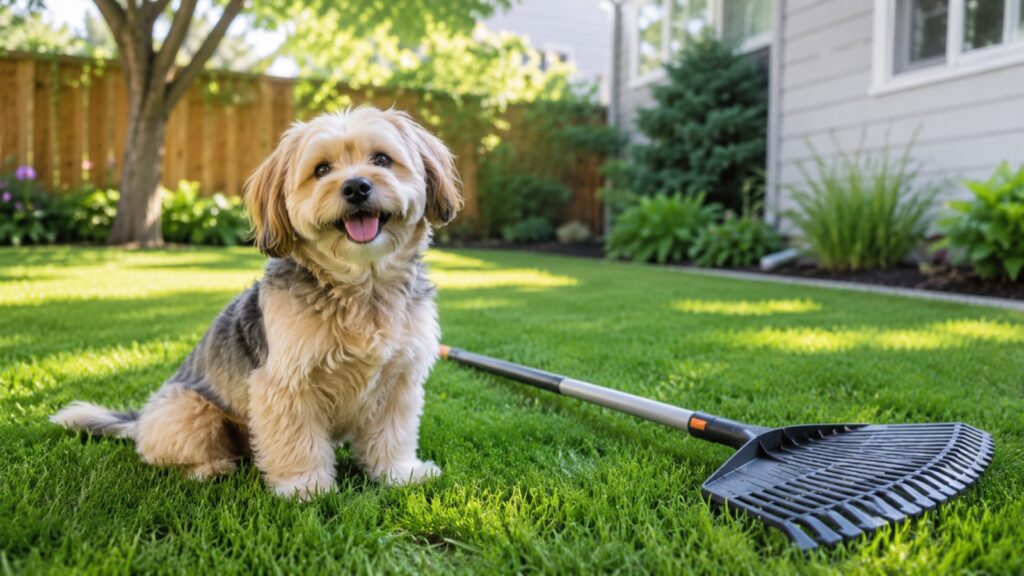
Responsible disposal starts with a clean, complete pickup. A Pooper Scooper with Bag lets you lift and bag in one motion, so nothing is left behind to wash into the soil during the next rain. A complete pickup is the first line of defense against runoff pollution.
Building a Greener Cleanup Kit
A little preparation makes eco-friendly disposal effortless. Assemble a simple kit and keep it by the door so you never resort to a flimsy grocery bag in a pinch. A ready kit removes every excuse to skip a proper pickup.
A well-stocked, low-waste cleanup kit includes:
- A durable, long-handled scooper that lasts years instead of cracking each season.
- A supply of thick, leak-proof bags so one bag does the job instead of doubling up.
- A lidded outdoor bin to contain sealed waste and odor until pickup day.
- A pet-safe enzyme cleaner for neutralizing residue without harsh chemical runoff.
Choosing quality over disposable at each step reduces both plastic use and the number of items you toss over a year. It is a small upfront effort that pays off in less waste and a cleaner conscience every single week.
Should You Hire a Waste-Removal Service?
Professional services often dispose of waste more responsibly than the average household, following municipal rules and sanitizing between jobs to prevent cross-contamination. If eco-conscious, hassle-free disposal is your goal, working with reputable service experts ensures the waste is handled correctly every single week without you lifting a finger.
The Environmental Cost of Ignoring It
It is easy to assume one dog’s waste barely matters, but the impact is collective. In a typical neighborhood, hundreds of dogs share the same storm drains, streams, and soil. When even a fraction of that waste goes uncollected, the combined pollution load becomes significant.
Here is what happens when waste is left behind:
- Bacteria enter waterways. Rain carries pathogens into creeks and lakes, raising bacterial counts that can close beaches.
- Nutrients trigger algae. Excess nitrogen and phosphorus feed algal blooms that starve water of oxygen and kill fish.
- Soil contamination spreads. Parasite eggs settle into the ground and persist for years, endangering pets and wildlife.
- Groundwater degrades. Pathogens can leach toward wells and shallow water tables in some areas.
Small Habits, Big Difference
The encouraging part is that responsible disposal is genuinely easy once it becomes routine. A durable bag, a quick pickup, and a proper disposal method are all it takes. When a whole neighborhood adopts the habit, the improvement in local water quality is measurable. Your small daily choice adds up to real community benefit over a season.
Frequently Asked Questions
Can I compost dog waste in my garden?
Not in a standard compost pile. Regular composting does not reach temperatures high enough to kill pathogens. Only specialized pet-waste digesters, kept well away from food crops, are safe.
Is flushing dog waste environmentally friendly?
On municipal sewer systems, yes. Treatment plants neutralize the pathogens. Remove the bag first and always check your local rules before flushing.
Are biodegradable bags better for the environment?
They help reduce plastic, but in a sealed landfill few materials break down quickly. Prioritize a leak-proof bag first, then choose greener materials.
How does dog waste pollute water?
Rain washes uncollected waste into storm drains, carrying bacteria and excess nutrients into streams and lakes where they harm aquatic life.
Conclusion
Eco-friendly dog waste disposal is a small habit with a big ripple effect on your community’s water and soil. Bag it securely, dispose of it properly, reduce it at the source, and lean on responsible pros when you can. Adopt these steps in 2026 and you will be a genuinely responsible pet owner and a good neighbor to everyone downstream.